


{{ galleryProps.activeIndex + 1 }}/31






Description
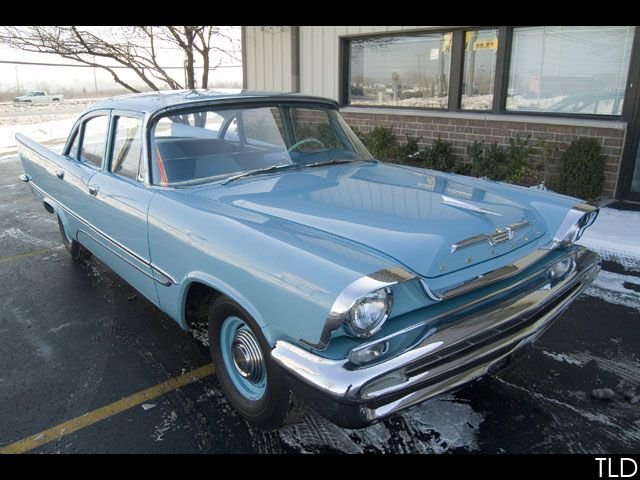
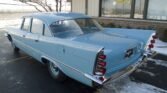
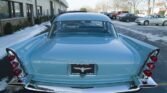
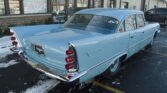
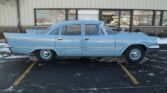
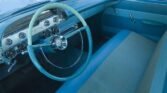
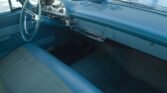
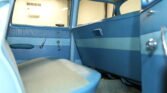
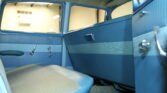
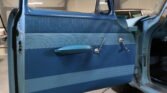
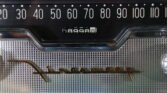
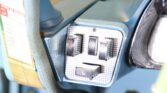
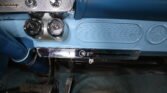
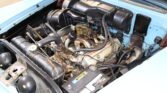
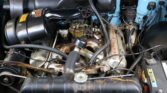
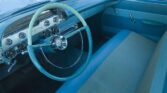
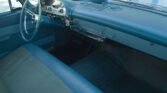
The 1957 Desoto Firesweep was part of Chrysler's "Forward Look" design era, known for dramatic tailfins and futuristic styling. It was positioned as the entry level Desoto model but still offered strong V8 performance and bold luxury styling typical of late 1950s American Cars.
1957 DeSoto Facts and Specifications
General Year Information – 1957 DeSoto
DeSoto…
The 1957 Desoto Firesweep was part of Chrysler’s “Forward Look” design era, known for dramatic tailfins and futuristic styling. It was positioned as the entry level Desoto model but still offered strong V8 performance and bold luxury styling typical of late 1950s American Cars.
1957 DeSoto Facts and Specifications
General Year Information – 1957 DeSoto
DeSoto models were announced October 30, 1956. The 1957 was a well-integrated design. A new entry level model was introduced, called the “Firesweep” series, that used the 1957 Dodge chassis and drive train under its skin. The styling was well integrated with two minor variations: the smaller Firesweep body was placed on the Dodge 122-inch wheelbase chassis with Dodge front fenders but the larger car’s front fascia, less dual headlights while the Firedome, Fireflite and Adventurer sat on the larger 126-inch wheelbase chassis that was shared with Chrysler.
Changes from 1956 included: new bodies that were lower and longer, new side trim and color sweep treatments, a massive new bumper grille combination, and new up-swept rear fender tailfins. All Chrysler products went to a torsion bar suspension for 1957, called “Torsionaire” in advertising. The overdrive transmission was discontinued this year.
The Adventurer was the first base-model U.S. car to provide one horsepower per cubic inch of displacement – as the car’s 345-horsepower engine was standard equipment. (The 1956 Chrysler 300-B and 1957 Chevrolet/Corvette models were available with one horsepower per cubic inch V-8s as optional equipment.
The Firesweep line made DeSoto the only maker in the medium-low price field to achieve a gain in new car sales over the previous season.
1957 DeSoto Factoids
 The 1957 DeSoto Fireflite and Firedome (left) models had similar front fascias, but the Firesweep (right) used the Dodge front with a DeSoto bumper. Note the chrome surround on the Firesweep swept up over the headlights across the bottom of the hood and over the other headlight. The Fireflite/Firedome had individual cutouts for the headlights and no chrome lip on the hood. Note the difference is in the front fenders – Firesweep smooth sided, others with creases.
The Fireflite had a “V” at the end of the front fenders intersecting the top chrome molding and a chrome ornament on the top of the fender at the front. Fireflites had two bullet type bumperettes. It should be noted that bezels were designed to accept dual headlights which were standard after January 1 (see inset). The Adventurer came with the dual headlights due to its late release.
1957 DeSoto Facts – Firesweep
Engines
Chassis Features
-
- Wheelbase: Firesweep – 122.0″; Others – 126.0″.
- Overall length: Firesweep – 215.8″; Others – 218.0″.
- Overall width: All – 78.20″.
- Overall height: Firesweep – 56.70″; Firedome/Fireflite – 57.0″; Adventurer – 55.0″.
- Front tread: Firesweep – 60.90″; Others – 61.0″.
- Rear tread: All – 59.70″.
- Tires: Firesweep -8.00 x 14; Firedome/Fireflite – 8.50 x 14; Adventurer: – 8.50 x 14 white sidewall standard.
Powertrains
- Powerflite Transmission Ratios
- All: 1st –1.72:1, 2nd – 1:00; Reverse – 2.39:1.
- Stall: 2.7:1 at 1850 RPM.
- Power Pack Stall: 2.7:1 at 1845 RPM.
- Three Speed Manual Transmission Ratios
- 1st – 2.31:1, 2nd – 1.55:1, 3rd – 1.00:1, Reverse – 2.96:1.
- Rear Gear Standard Ratios
- Firesweep:
3-Speed Manual Transmission – 3.91:1.
2-Speed Automatic Transmission – 3.54:1.
- Firesweep:
Powertrain Options
-
- Three-speed manual column mounted transmission was standard – Firesweep and Firedome.
- Four-barrel carburetor power package for Firesweep and Firedome series.
- Powerflite automatic transmission with push buttons on left dash – optional Firesweep and Firedome.
Key Specifications:
Engine & Performance
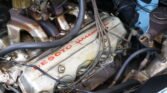
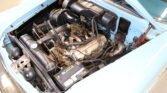
Engine: 325 cu in (5.3L) V8
Power: 245 Hp (Standard)
Optional: 260 hp ” Power Pack” V8
Carburetor : Stromberg 2 barrel
Fuel System: Carbureted gasoline engine
For more details, please contact us at:
nandu@mbscarcollection.com
00971 505015299


Related listings

Featured

1957 - Chrysler Windsor - White & Pink
Contact for a price
1957
Automatic
Petrol
Rear Wheel Drive
Chrysler
Windsor

Featured

Ferrari LaFerrari 2-door coupe red
AED810,000
2021
Automatic
Diesel
Front Wheel Drive
Ferrari
LaFerrari

Featured

Mercedes-Benz S-class 2-door coupe silver
AED76,000
2021
Automatic
Diesel
Front Wheel Drive
Mercedes-Benz
S-class